D2D capability is an up-and-coming feature and is steadily becoming a mainstay for all major mobile carriers. New phone models are being optimized for connecting to satellite networks and related spectrums, so manufacturers and carriers can claim to offer absolute coverage, no matter where you are. However, it still has a long way to go.
Next to full 5G performance, it's like comparing dial-up to fiber. Most available D2D features are limited to two-way text messaging and emergency SOS, and they're prone to working slowly. Like most satellite technology, it requires a clear view of the sky, and heavy weather can affect the signal. Voice and data are being introduced, but networks still have growing to do to support seamless switching between 5G and satellite.
For deep backcountry travel, oceans, and globetrotting the most remote corners of the world, dedicated satellite phones remain a go-to for experienced explorers who know reliability matters most.
"While emerging direct-to-device technologies and portable solutions like the Starlink Mini offer convenience and lower costs for casual users, dedicated satellite phones remain essential for mission-critical reliability," said communication and technology executive advisor Jason Todd.
For true global coverage with real-time voice and emergency monitoring, dedicated devices are built for those who need a guaranteed lifeline. They're designed for safety first, with rugged outer cases and lasting battery power. The biggest trade-off is their notoriously high upfront cost and subscription fees.
For now, each technology serves a specific use case. Smartphones for D2D are for rural residents with spotty home coverage, road trippers, day hikers, and casual campers. Dedicated devices are for those with critical needs in the most remote locations where terrestrial connectivity is impossible. Sailors, multi-day backpackers, field workers, and emergency response workers make the most use of dedicated satellite communication devices.
"For high-stakes situations where communication failure is not an option, standalone satellite devices provide dedicated connectivity independent of terrestrial cellular infrastructure," Todd advised. "However, for general off-grid travel, lightweight satellite internet terminals are increasingly becoming the practical choice over traditional hardware."
For the ultimate protection, carrying both is a smart move. Most experts agree this layered approach gives you options, since redundancy across different tech types prepares you for the worst.
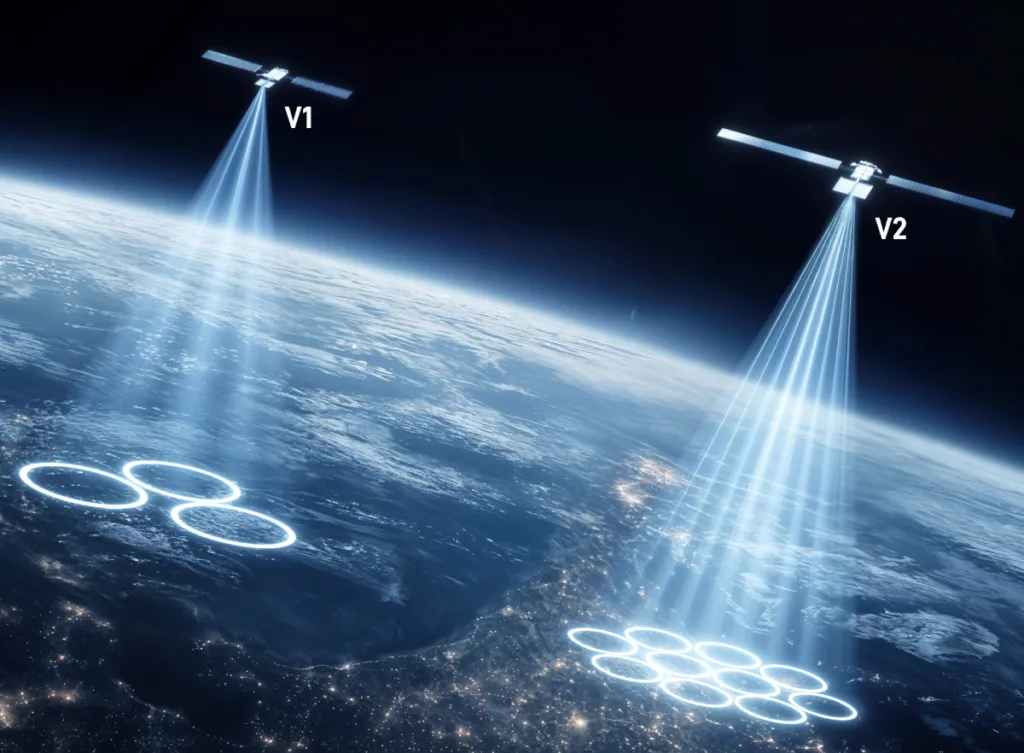
Despite a clear difference between satellite phones and smartphones with satellite features, D2D and LEO satellite technology is still young and continually growing. LEO performance and capacity depend on constellation size, and as multiple providers expand with weekly launches, coverage and capacity could reach a point where worldwide phone signal is ubiquitous.



 3 min read



 Your Privacy Choices
