


 3 min read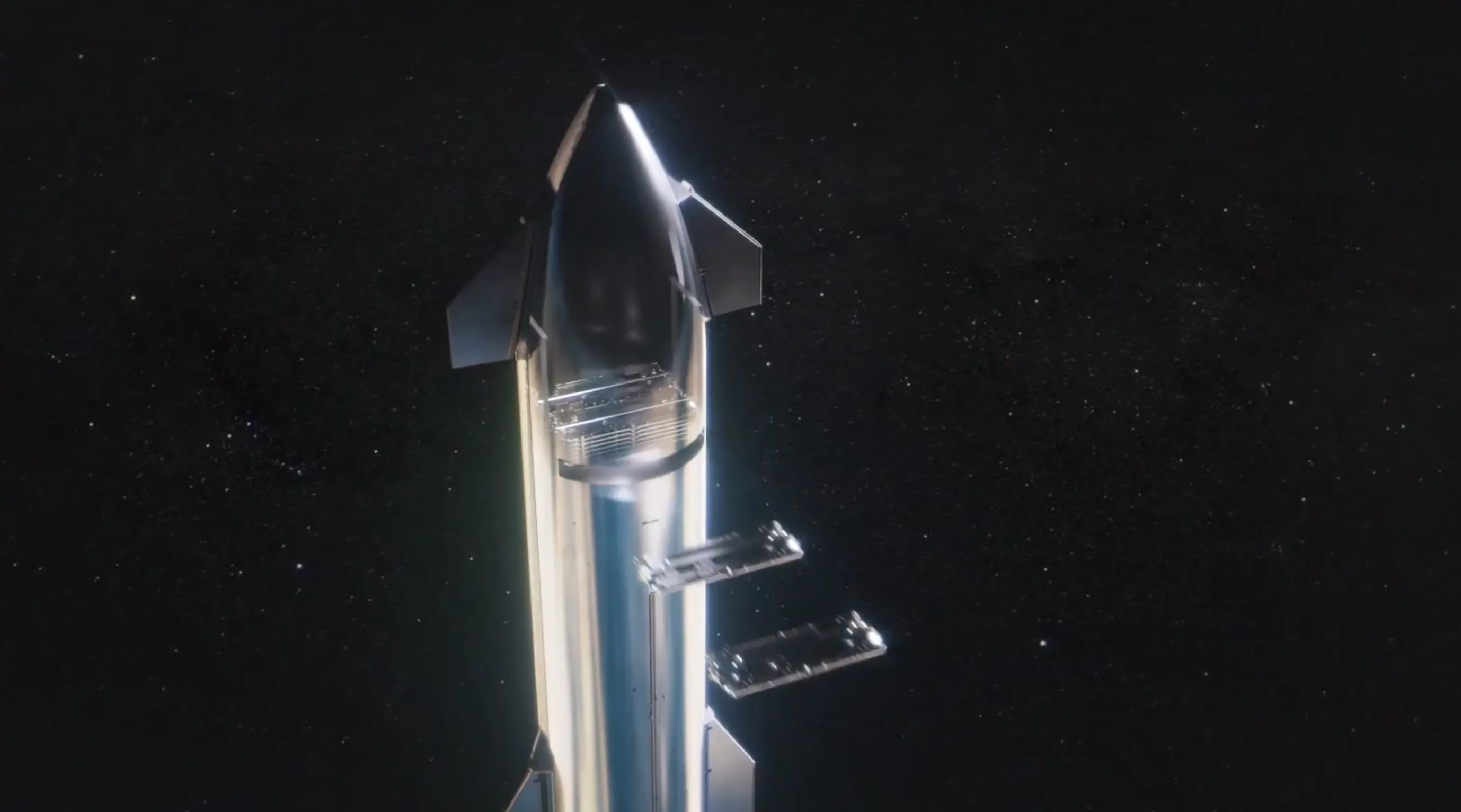
Starlink claims download speeds of over 1 gigabit per second are coming soon, with the goal to debut them sometime in 2026. Starlink has already taken the world by storm with its satellite internet technology and has no plans to stop advancing its service until it is indistinguishable from traditional ISPs.
In addition to faster speeds, Starlink is also aiming to improve capacity, and the Federal Communications Commission (FCC) has cleared the way for Starlink to power up its dishes to access higher speeds and capacity. In April, the agency voted to rewrite decades-old spectrum-sharing rules, concluding that the latest satellite technology can operate with fewer restrictions without harming other satellite signals.
SpaceX is launching more satellites to expand its constellation up to 15,000, which, as of publication, sits at over 10,000. New technology will also drive the expansion, with a third-generation satellite expected to launch soon, but this will depend on SpaceX's Starship being ready for mass deployment this year.
Starlink residential customers in the U.S. can currently expect download speeds between 100 and 400Mbps, depending on their location. According to Starlink's speed map, users on Priority plans can reach speeds above 400Mbps.


 Your Privacy Choices