

Amazon Leo to Double Network Size, But Needs More Time to Launch

Amazon gets the thumbs-up to double the size of its planned satellite constellation, even as it’s already falling behind upcoming launch deadlines.

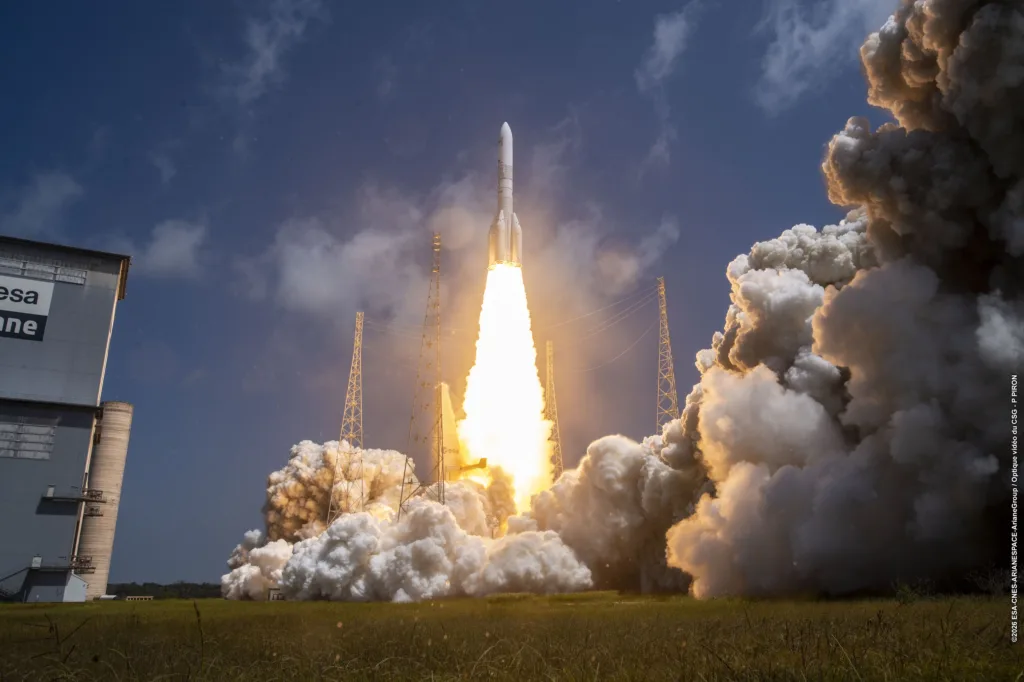
The February launch of 32 Amazon Leo satellites by Arianespace. It brings Amazon's upcoming satellite constellation to over 200; however, it's seeking additional time from the FCC to meet certain milestones. | Image by Arianespace


Andreas Rivera
Feb 18, 2026
Icon Time To Read2 min read

Amazon Leo, the upcoming Starlink satellite internet competitor, doubles down on its plan for a far-reaching satellite network. The company received approval from the Federal Communications Commission (FCC) to add about 4,000 more satellites to its already ambitious plans for 3,200 satellites, according to Amazon. What it has yet to hear about from the agency is a request to extend a July deadline to launch at least half of its satellites this year.

Amazon would like more time to get its fleet up and running, requesting a deadline extension to 2028 to meet the milestone. As of February 2026, Amazon has launched 200 satellites and has admitted it's unlikely to meet the goal of 1,600 by July 30, realistically expecting to reach 700 by then.

It cites “unforeseeable launch delays” and issues beyond Amazon Leo’s control, such as a shortage of near-term launch availability. Amazon requests an extension or an outright waiver of the rule, given the progress it has made. The FCC sets deadlines for certain telecommunication rollouts to prevent companies from essentially “squatting” on valuable spectrum licenses.


Delays could mean Amazon Leo won’t be ready for consumers for a while

Despite the company’s confidence that it will start offering its internet service this year, it’s likely to affect when U.S. consumers will be able to access Amazon Leo, especially since it’s beginning its rollout to enterprise and government customers first. 

Meanwhile, Starlink internet is widely available and recently surpassed 10 million customers worldwide. The SpaceX-owned company also spoke up about the extension request, claiming that Amazon is asking for unfair treatment, according to a letter sent to the FCC. It pushes the agency to reject an extension and treat the delays as grounds to modify its FCC application to avoid interfering with other providers (such as Starlink). This move could cause even more delays for Amazon Leo.

In any case, Amazon is focused on launching its fleet, most recently partnering with Arianespace in Europe to add another 32 satellites to orbit.

Andreas Rivera
Written by
Andreas Rivera is a lifelong writer with a decade-spanning career in journalism and marketing. He comes to SatelliteInternet.com with several years of experience writing about business and technology. His passion for researching the latest advancements in tech, especially the now essential need for reliable internet access, fuels his goal of educating others about how these innovations affect and improve our everyday lives. When not researching and writing about SatelliteInternet.com, you’ll likely find him buried in a good book or enjoying the great outdoors with a fishing rod.