Starlink Roadmap 2026: More Changes For More Speed and Capacity


Andreas Rivera
May 05, 2026
Icon Time To Read3 min read

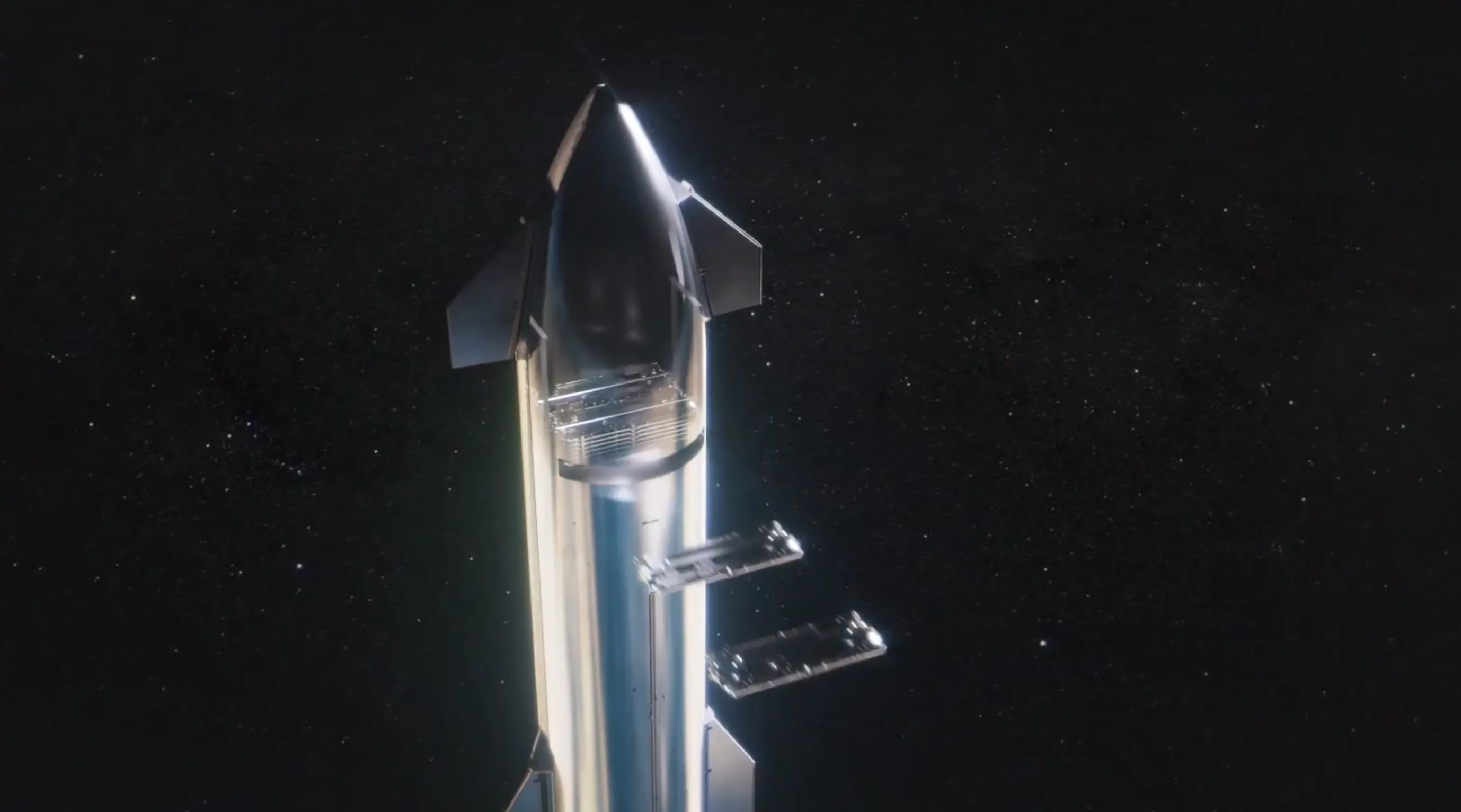
A depiction of the SpaceX Starship deploying next-generation Starlink satellites | Image by SpaceX

Starlink has big ambitions for 2026, especially as competition ramps up

Starlink claims download speeds of over 1 gigabit per second are coming soon, with the goal to debut them sometime in 2026. Starlink has already taken the world by storm with its satellite internet technology and has no plans to stop advancing its service until it is indistinguishable from traditional ISPs. 

In addition to faster speeds, Starlink is also aiming to improve capacity, and the Federal Communications Commission (FCC) has cleared the way for Starlink to power up its dishes to access higher speeds and capacity. In April, the agency voted to rewrite decades-old spectrum-sharing rules, concluding that the latest satellite technology can operate with fewer restrictions without harming other satellite signals. 

SpaceX is launching more satellites to expand its constellation up to 15,000, which, as of publication, sits at over 10,000. New technology will also drive the expansion, with a third-generation satellite expected to launch soon, but this will depend on SpaceX's Starship being ready for mass deployment this year.

Starlink residential customers in the U.S. can currently expect download speeds between 100 and 400Mbps, depending on their location. According to Starlink's speed map, users on Priority plans can reach speeds above 400Mbps.


Starlink

Starlink plans and pricing

Plan
Price for first 3 months
Reg. Price
Download Speed
Latency
Recommended Equipment fee
Residential 100 Mbps*$29/mo.$50/mo.Up to 100Mbps30—40ms$349.00
Residential 200 Mbps*$59/mo.$80/mo.Up to 200Mbps30—40ms$349.00
Residential MAX$99/mo.$120/mo.Up to 400Mbps30—40ms$349.00
Roam 100 GBn/a$50/mo.Up to 260Mbps<99ms$249.99–$349.00
Roam Unlimitedn/a$165/mo.Up to 260Mbps<99ms$249.00–$349.00

Top speeds not guaranteed during peak hours
*Plan not available in all regions

The race to gigabyte speeds is in full swing

Starlink isn't the only satellite internet company with ambitions for gigabit speeds. Amazon Leo, formerly known as Project Kuiper, has announced plans for 1 Gbps download speeds, with the service available as early as the end of 2026. Whether or not that comes to fruition, both companies are now racing to the point where they can confidently tell customers their service can deliver 1Gbps speeds. While less is known about Amazon's Leo satellite technology, Starlink has outlined its plans in a loose roadmap to reach that point. 

One change Starlink has made is lowering hundreds of satellites to a lower orbit to further reduce latency.

Capacity and reliability are also set to improve, with eyes to compete with all broadband providers

More speed is welcome, but to compete not just with rural internet providers but also with metro-area providers, Starlink is working to improve its network capacity and reliability through several small but substantial changes. The boost in power that dishes are now allowed to operate with will improve both capability and reliability, becoming more available and allowing the company to drop one-time congestion fees in areas where capacity is stretched thin.

Starlink was also granted permission to operate user terminals with greater freedom to connect to more satellites for longer periods, improving reliability and minimizing downtime or interruptions. 

Next-Generation Satellites

Starlink’s ambition to provide fiber-like speeds from space will begin with its next-generation satellites. The company has been launching its second-generation satellites, which use laser communication for faster data transmission. It has announced that it’s developing a third generation of satellites to achieve greater bandwidth. These satellites will be larger and able to transmit exponentially more data.

"SpaceX is targeting to begin launching its third-generation satellites in 2026," according to Starlink's 2025 end of year report. The document claims that each satellite can provide 10 times the downlink capacity of current-generation satellites. 

With one terabit of bandwidth, third-generation satellites could handle more ground terminals at higher speeds. The report does not mention when the V3 satellites will be ready for launch.

More Satellites - More Launches

The key to upgrading service worldwide is SpaceX’s Starship vehicle, which the company has been testing throughout 2025 and 2026, with more successes than failures. Starship is unique in that it’s engineered to be completely reusable. SpaceX successfully tested its “Mechzilla” launch tower, which also catches the booster when it returns to the ground. Ideally, SpaceX can launch Starship and its payload, land it, refuel it, and then launch again within hours.

“I would not be surprised if we fly Starship 400 times in the next 4 years, said SpaceX President Gwynne Shotwell, speaking at an investor conference.

Starlink is all-in on Direct-to-Cell

As of January 2026, Starlink has launched more than 650 specialized direct-to-cellular satellites, enough to provide text services to customers in 5G dead zones. Starlink is far from done on improving the coverage and performance of direct-to-cellular services, and it may not be just for its carrier partners, such as T-Mobile

Andreas Rivera
Written by
Andreas Rivera is a lifelong writer with a decade-spanning career in journalism and marketing. He comes to SatelliteInternet.com with several years of experience writing about business and technology. His passion for researching the latest advancements in tech, especially the now essential need for reliable internet access, fuels his goal of educating others about how these innovations affect and improve our everyday lives. When not researching and writing about SatelliteInternet.com, you’ll likely find him buried in a good book or enjoying the great outdoors with a fishing rod.