


 4 min read
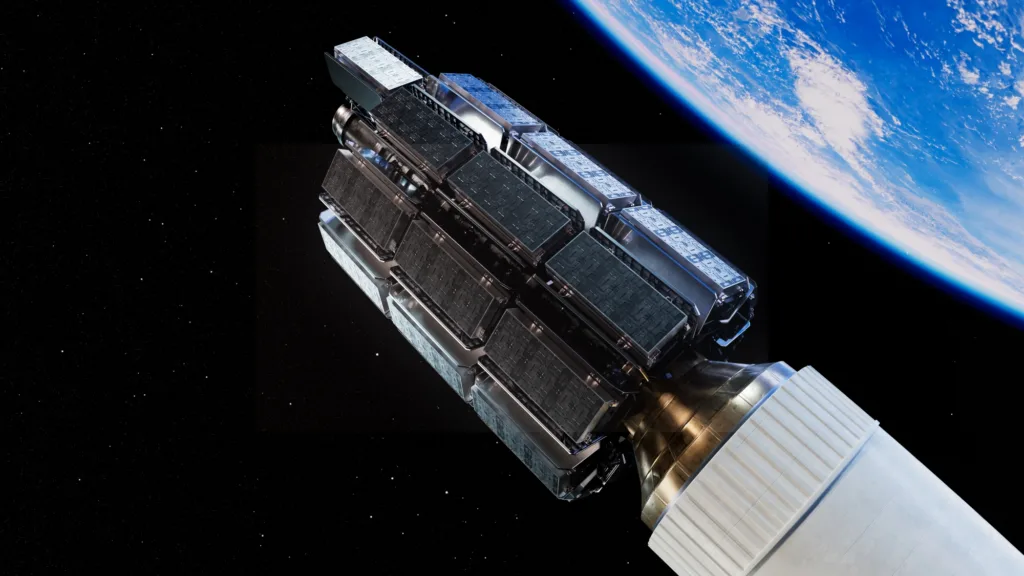
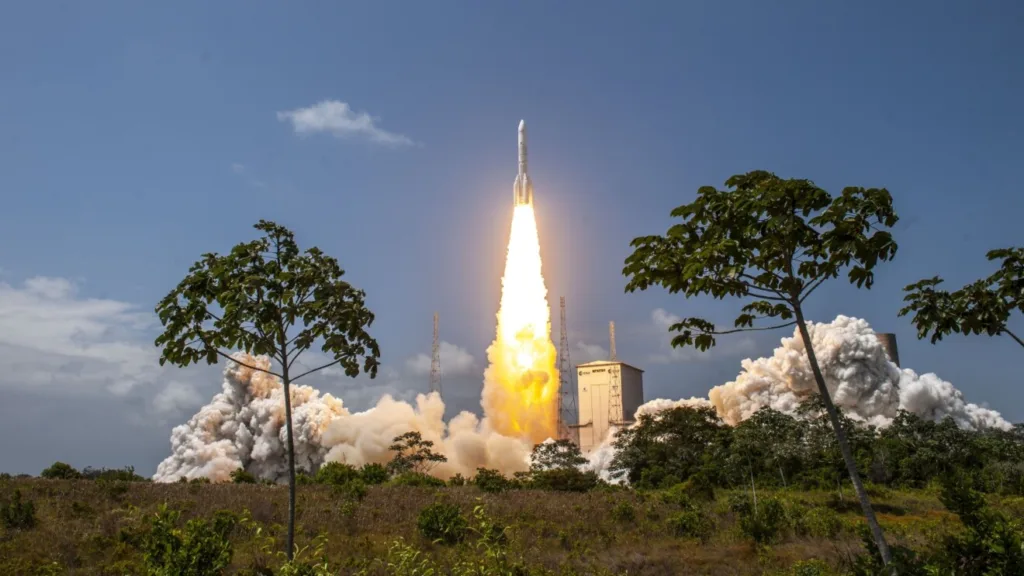
Amazon Leo has insisted that, as of summer 2026, it has enough satellites in orbit to begin internet service. However, details on what that entails are few. Will there be a beta period? Will you have to join a waitlist? How much will it cost at launch? Will the travel version, the Nano, be available at launch? This begs the most important question: when will the average consumer be able to get their hands on Amazon Leo? Evidence points to late 2027 at the earliest.
First known as Project Kuiper, Amazon Leo promises a new rural internet solution that will leverage the company's AWS cloud capabilities and retail delivery infrastructure. It also claims it will need significantly fewer satellites than Starlink to deliver rival internet performance.
Since its announcement in 2020, the same year SpaceX officially began beta testing Starlink, Amazon Leo has faced an uphill battle to finally enter the satellite internet market as a legitimate competitor. While the work has been ongoing and the retail giant has already cemented several enterprise partnerships, delays have left the company far behind in rolling out the infrastructure needed.


 Your Privacy Choices