


 3 min read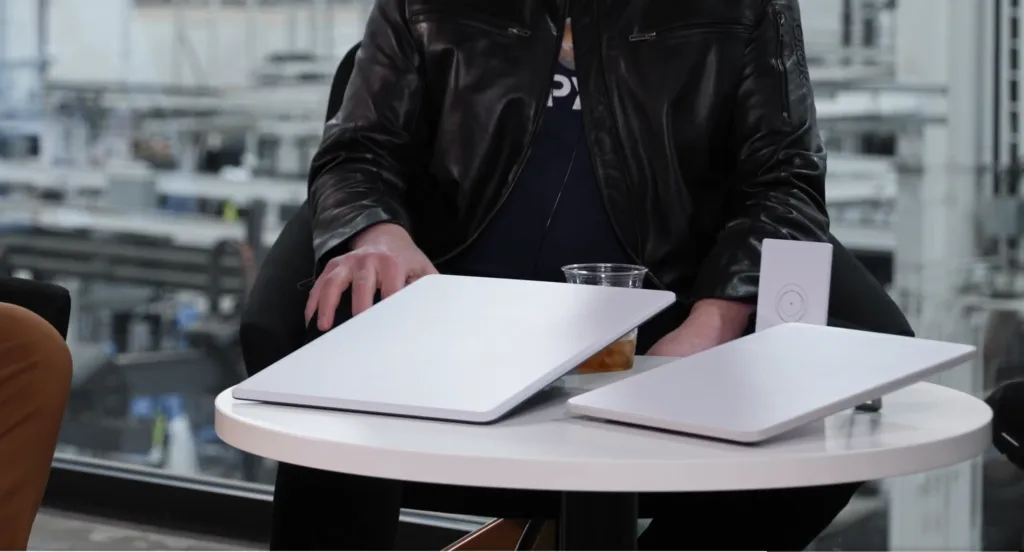
SpaceX has confirmed a new set of next-generation Starlink dishes, which are expected to launch soon. In a presentation featuring SpaceX CEO Elon Musk, he confirmed that they are ramping up production of new satellite terminals, which he showed off. The dishes look much smaller and more portable, with one resembling the Standard dish but smaller.
Starlink may have left breadcrumbs revealing features of a new Mini dish, including a built-in battery and a more versatile way to power/charge it. According to a PCMag report citing a computer science research team, a recent Starlink firmware update reveals new code hinting at upcoming features. The research team points out that the new code indicates the presence of battery and USB-C power sources.
If this rumored product is released this summer, it would be two years since the original Starlink Mini's release, which immediately exploded in popularity among travelers, RVers, and campers demanding a high-speed internet solution.
Musk didn't reveal any concrete details about the upcoming products, such as price or rumored features, but as SpaceX prepares for a massive IPO this summer, it seems like the right time for new versions to hype up both customers and investors.


 Your Privacy Choices