

Starlink satellite internet has been promoted primarily as a home internet solution for rural, remote, and off-the-grid locations, but as it has gained popularity since its launch, you may wonder whether it's a viable option for home internet in more populated areas. Starlink can provide internet almost anywhere, so it will work in urban, suburban, and metropolitan areas. However, are the performance, pricing, and setup worth it compared with more traditional providers in the city?
Is Starlink Worth It in the City? Urban & Suburban Guide

 4 min read
Starlink performance and network congestion
In its early days, not everyone could get Starlink, so many were added to a waitlist as the company built out its satellite constellation. Bandwidth can only be spread across so many customers. As of 2026, with more than 10,000 active satellites and more launching all the time, it's large enough to serve millions of customers and reduce network congestion. However, it's hard to determine if it's ready to be a serious competitor to traditional ISPs, including cable, DSL, and fiber. As Starlink is also entering the mobile carrier space with Starlink Mobile, its ambitions likely include general-purpose broadband.
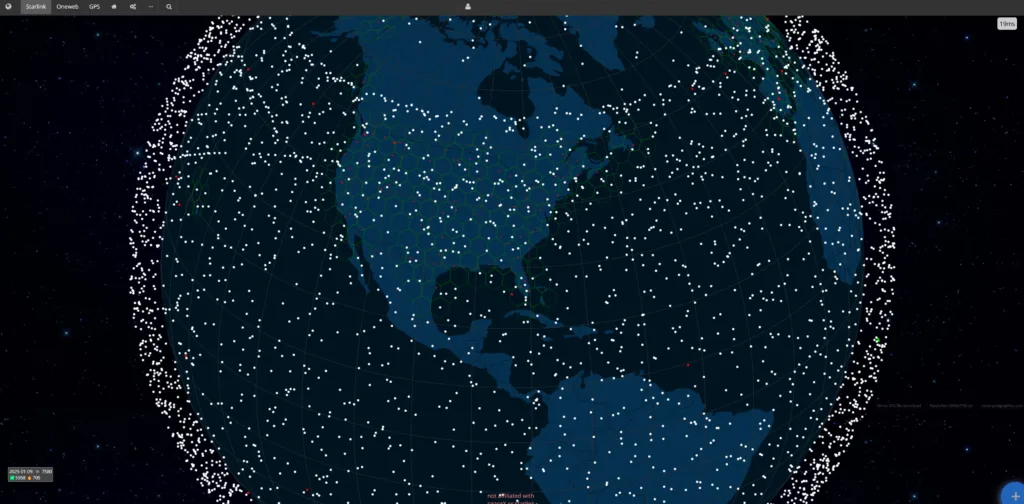
There are more than 10,000 Starlink LEO satellites in orbit. SpaceX is consistantly launching new Starlink satellites to improve signal coverage and relieve network congestion. | Screenshot from satellitemap.space
At any given location, rural or metropolitan, Starlink's performance will vary. Anytime you begin using a Starlink dish, you're instantly competing with fellow customers around you for the satellite constellation's attention. Starlink tries to balance bandwidth between customers in several ways, mostly by expanding the constellation with layers of more advanced satellites that provide more coverage for more users. However, it also regulates congestion by adding one-time "demand surcharges" to regions with heavy usage. These congestion fees can range from $100 to $1,500. It can also limit the plans available to you, restricting access to higher-priority plans like Residential MAX.
Network congestion exists in both rural and metro areas. It all depends on how many other Starlinks are surrounding you. In fact, because cities typically offer more options, satellite internet congestion is less likely. If there's no demand surcharge and you have access to the full range of plans, you're in the clear to use Starlink in the city.
Setup challenges in the concrete jungle
Even without network congestion, practical challenges remain when running Starlink in a metropolitan area, especially in big cities. The biggest obstacle is obtaining a clear field of view for the Starlink dish. For peak performance, aim for an unobstructed 100-degree view of the sky. Obstructions like neighboring high-rise buildings in the city or dense suburban tree lines can degrade or flat-out block the satellite signal. This can make installation tricky, especially for apartment renters who don't have access or permission to install on the roof. If that's the case, a balcony may be your best option, but if your view is of another skyscraper, you may be out of luck.
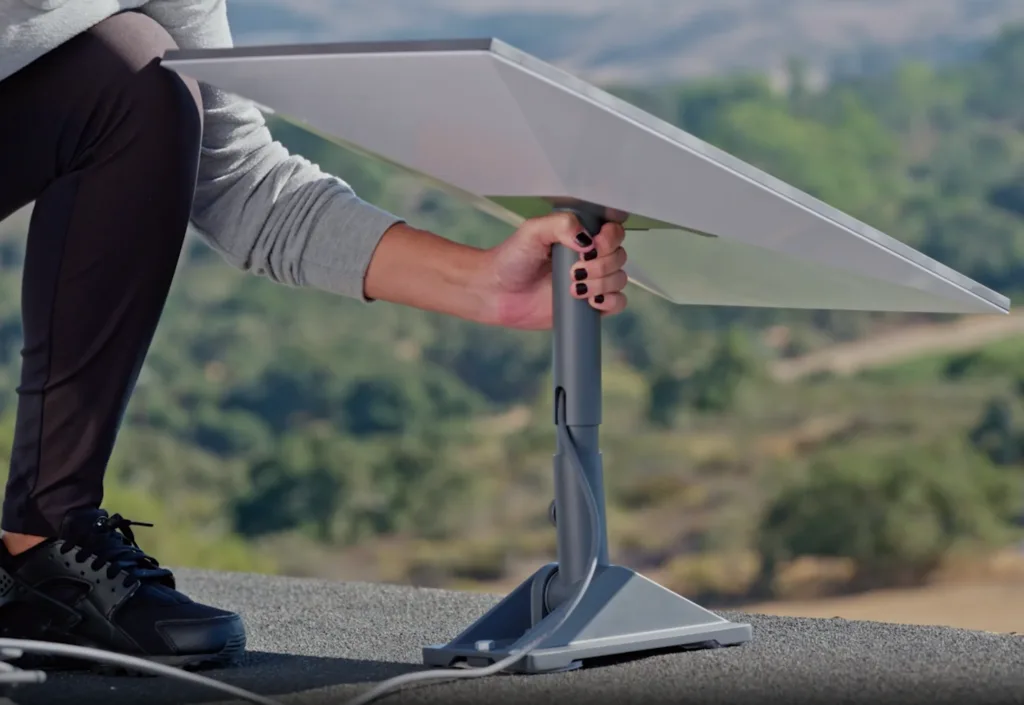
Permanent home installation requires extra equipment and drilling. | Image by Starlink
If you own a home in the suburbs, you'll get the best performance by installing Starlink on the roof. This will require some DIY skills and extra parts, although Starlink offers professional installation (free for MAX customers and at least $199 for other plans).
To ensure Starlink will work at your location, download the Starlink app and use the obstruction tool. Use it to scan the area where you want to install the dish to confirm you have enough clearance to set it up. You don't have to be a Starlink customer to use the app.
A question of cost-effectiveness
So you can get Starlink working in your urban or suburban home without congestion or obstructions, but is it worth it? When you compare the value of satellite vs. wired connections like DSL, cable, or fiber, it's clear which is more affordable. The cost of infrastructure for satellite internet (building up the fleet through launches) accounts for its high monthly pricing. Traditional internet offered in metropolitan areas uses existing infrastructure, or investments from providers or governments, which is the case for fiber, while offering more affordable pricing.
Starlink is also unique in that it sells its equipment at a high upfront cost, with some exceptions in areas where you can rent the dish. Cable and fiber providers usually include equipment leasing in the monthly service charge.
Can Starlink compete with fiber?
While Starlink offers high speeds and low latency, is easy to obtain and install, and can be more affordable in some cases, it still falls short of the many benefits of a fiber connection. Because fiber requires new infrastructure and investment, it has been slower to adopt, but it's still growing in many metropolitan areas. A modest fiber plan can deliver at least 1 Gbps speeds with lightning-fast latency, and premium plans can offer even faster speeds.
Another factor that separates fiber from satellite is symmetrical speeds, meaning that download and upload speeds are the same. Better upload speeds matter for transferring large amounts of data, video calling, live streaming, and overall bandwidth. Those running home businesses with servers benefit most from symmetrical speeds. Starlink is working toward 1 Gig speeds and better latency, but still lacks symmetrical speeds, with upload speeds that lag behind its top download speed. It's unclear when Starlink can rival these speeds, and as more people in a single area adopt it, congestion will always be a factor.
When does Starlink make sense in the city?
Starlink is the obvious choice for rural homes with few to no high-speed internet options, but it's hard to recommend in a big city or suburban area when there are so many more cost-effective choices. That doesn't mean Starlink doesn't have its place and can actually be a great choice in certain cases.
Even if you're surrounded by choices, they may not be appealing, especially if certain ISPs have burned you for frequent outages, poor customer service, or below-par performance. Fiber is great, but still slow to roll out and may not reach your neighborhood for a long time, if ever. Starlink is one of the few ISPs available anywhere in the U.S. If you're not a fan of your DSL, cable, or 5G options, and you're in a location that's optimal for Starlink, it's a viable option if you're willing to pay the premium.
Plus, having Starlink on hand, even when not active, is handy as a backup internet source. When your main provider goes down, Starlink can get you back online immediately. It even has a very cheap Stand-by mode that gives you minimal connection speed to stay in communication. Not to mention, you can take your Starlink with you on a Roam plan for long road trips and camping excursions.


 Your Privacy Choices