Starlink Standard or Mini: What’s the Difference?


Andreas Rivera
Dec 23, 2025
Icon Time To Read4 min read

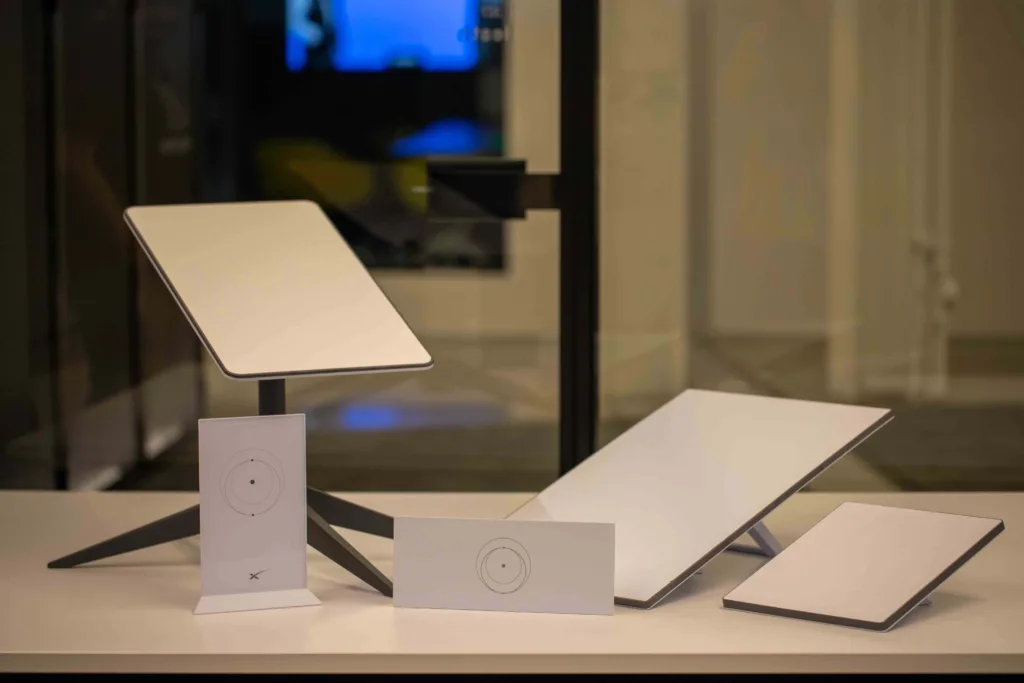
Image by Allaina Jefferys, (left to right) The Starlink Standard Actuated, Starlink Standard V4, Starlink Mini

The Starlink Mini is SpaceX's satellite internet dish, engineered to be lightweight and portable. Released in early 2024, the Starlink Mini is about half the size of the Standard and much lighter. It's engineered to be as portable as possible, making it easy to take on the go.  

The Starlink Standard kit is actually the third iteration of the satellite internet provider's hardware. It replaced the Standard Actuated kit, going for a more straightforward design that doesn't require the motorized stand. It is larger and more powerful than the Mini, designed to achieve higher speeds in stationary use. The Starlink Mini is ideal for portability and can be used on the go, but it's more expensive and less powerful than the Standard. In this guide, we'll break down all the key differences between the Starlink Standard and the Starlink Mini. 
Should you get the Starlink Standard or Starlink Mini?

Starlink Standard

  • Current Price: $349
  • Features: Kickstand for on-the-go setup, lightweight, improved Wi-Fi 
  • Compatible plans: Residential, Roam, Priority
  • Download speed: Up to 400Mbps
  • Best for: Rural home internet, casual travel, small business
  • Size: 23.4 in x 15.07 in
  • Weight: 7 lb

Starlink Mini

  • Current Price: $299
  • Features: Wi-Fi router built into the dish, size and weight of a laptop
  • Compatible plans: Roam only
  • Download speed: Up to 260Mbps
  • Best for: Backpackers, emergency responders, backup internet
  • Size: 11.75 in x 10.2 in
  • Weight: 2.56 lb

Biggest differences between the Starlink Standard and Mini

The Starlink Standard comes with everything you need to get online in minutes. The dish is the latest iteration of Starlink's standard dish model and is the recommended hardware for home internet. On the back, it has a simple kickstand for leaning and is engineered to connect to satellites easily, with minimal orientation required. It also comes with the Starlink Gen 3 Wi-Fi Router, a significant upgrade over the older model. It features stronger Wi-Fi and has Ethernet ports, which the previous version lacked. 

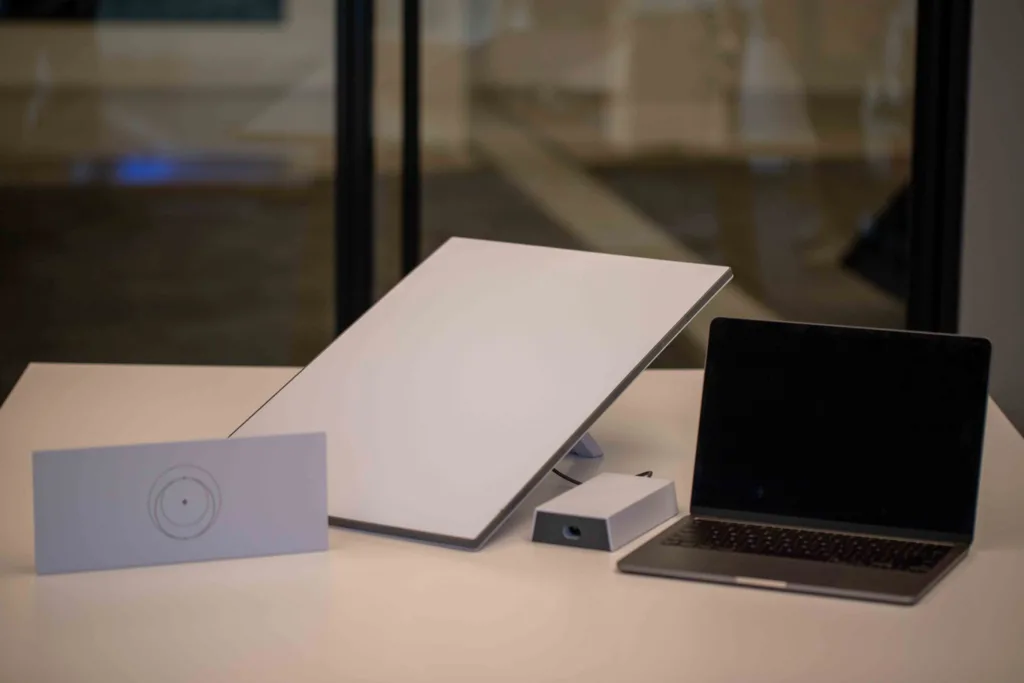
The Starlink Mini is a smaller, lightweight version of the dish engineered for portable internet. It's roughly the size of a laptop and fits in a backpack. Additionally, it has a built-in Wi-Fi router, eliminating the need for an external gateway or router—though you can still connect to one for a stronger signal. Starlink sells a standalone Mini Wi-Fi router. It's compatible with Starlink's Roam plans and can be used on the go. It is currently not usable with the fixed residential plans.

Size and weight of the Starlink Standard vs Mini

Despite being a bit bulkier than the Mini, the Standard dish is still relatively lightweight and easy to handle, especially compared to the last-generation Standard Actuated dish. I can easily carry the dish around under one arm. However, you still need the Starlink Router, power supply, and cables to get connected.

The Mini is more than half the size and weight of the Standard. I can easily carry around the dish since it only weighs a few pounds. It is also easy to handle, as it doesn't require an external router. In its simplest configuration, you only need the dish and power cord.

How much do the Starlink dishes cost?

Starlink

Starlink plans and pricing

Plan
Price
Speed
Latency
Recommended Equipment fee
Starlink Residential$80.00—$120.00/mo.Up to 300Mbps30—40ms$349.00
Starlink Roam$50.00–$165.00/mo.Up to 260Mbps<99ms$299.00–$349.00
Starlink Local Priority$65.00–$540.00/mo.Up to 400Mbps30—40ms$349.00
Starlink Global Priority$250.00–$2,150.00/mo.Up to 400Mbps<99ms$1,999.00

Currently, the Standard dish is being sold in the U.S. at its lowest price ever. At $349, it's almost half the price it was when it was first introduced, while the Mini is $299, significantly reduced from its original cost. l. However, that's just the price of equipment. The monthly fees for internet service vary by dish.

The Standard is compatible with several of Starlink's monthly plans, namely the Residential plan, the Roam plans, and many of the business-level Priority plans. The Mini is compatible only with the Roam plans in the U.S., but they may introduce a discounted version of the Residential plan, as they have in certain countries. 

How do the Starlink dishes perform compared to each other?

So, how do the two dishes compare in terms of download speeds, latency, and reliability? Although the Mini is the newest hardware and much more expensive, it still lags behind the Standard dish's performance. The larger piece of hardware can communicate more effectively with the Starlink satellite constellation and requires more power to boost the signal. Expected download speeds are up to 400Mbps on a fixed plan, but have often surpassed that benchmark, depending on where it's used. On the two Roam plans, speeds are reduced to about 260Mbps. While it will provide high speeds on the Roam plan, it's significantly bulkier, requires the Starlink router, and draws more power—75 to 100 Watts, compared to the Mini's 25 to 40 Watts.

Because of its lower power requirements and smaller dish, it's unlikely to match the Standard's performance. However, 100Mbps is still enough to browse, make voice and video calls, and stream, which is especially impressive given how small the package is. 

Verdict

I recommend the Standard plan for anyone taking their first steps into the world of satellite internet for its intuitive design and setup, not to mention its speeds and unlimited data, which outpace most competitors. It's also no slouch when it comes to being used while traveling. It can get significant download speeds nearly anywhere there's a clear view of the sky, even if you’re moving while using it.

While the Mini's portability and versatility are huge benefits, it has its drawbacks. The biggest is that it’s not nearly as powerful as the Standard dish. For those planning to travel off the beaten path with the Mini, you must also invest in a reliable power source. Unless you intend to use Starlink for the Mini’s primary use case of connecting to the internet while traveling in the most remote places, it’s tough to justify the high price tag. 

The Standard Starlink kit is for those looking for fixed, home internet, which the Mini is not recommended for. It’s also portable and can connect users to the internet from anywhere in the U.S., but it just requires a little more equipment and power. 

I’m hopeful the Mini's price will be significantly lower in the near future, making it easier for me to recommend it over the Standard dish.

Andreas Rivera
Written by
Andreas Rivera is a lifelong writer with a decade-spanning career in journalism and marketing. He comes to SatelliteInternet.com with several years of experience writing about business and technology. His passion for researching the latest advancements in tech, especially the now essential need for reliable internet access, fuels his goal of educating others about how these innovations affect and improve our everyday lives. When not researching and writing about SatelliteInternet.com, you’ll likely find him buried in a good book or enjoying the great outdoors with a fishing rod.