The Best 5G Home Internet Providers of 2026

Unleash the power of 5G: Explore the top providers for lightning-fast home internet in 2026.
Best availability
T Mobile
T-Mobile 5G Home Internet
  • pro
    $35.00—$70.00/mo. w/ AutoPay
  • pro
    Up to 498 Mbps
Best for fast speeds
Verizon
Verizon 5G Home Internet
  • pro
    $35.00–$75.00/mo.. w/mobile plan
  • pro
    Up to 1,000 Mbps
Best for AT&T customers
AT&T Internet Air
AT&T Internet Air
  • pro
    $47.00/mo. w/ mobile plan
  • pro
    Up to 300 Mbps
Best for no credit check
Earthlink
Earthlink 5G Home Internet
  • pro
    $59.95/mo.
  • pro
    Up to 425 Mbps

*w/ AutoPay


Andreas Rivera
Feb 24, 2026
Icon Time To Read7 min read
Icon CheckDave Schafer

For years, living outside the city meant choosing between the sluggish speeds of DSL or the high latency of traditional satellite. But the landscape has shifted. 5G home internet has matured into a formidable contender, offering a "plug-and-play" simplicity that fiber can't match and a responsiveness that makes satellite feel like a relic.

T-Mobile stands out for its nationwide 5G network, competitive prices, unlimited data, and potential bundling discounts. For most users, T-Mobile's combination of speed, coverage, price, and data makes it the top contender. We'll still delve into the other providers for those who may have specific needs or cell phone service preferences.

What to look for in a 5G home internet provider

  • Reliability: A mix of millimeter-wave technology (faster speeds, shorter range) and low-band technology (wider coverage, better penetration) strikes a balance between speed and reliability. Consider congestion in high-usage areas, which can slow things down. Check online reviews and provider maps to see if users in your area report any consistency issues.
  • Price: 5G home internet plans typically range from $35 to $80 per month, offering strong value compared to cable/DSL with faster speeds, lower latency, and flexible installation. To find the best fit for your budget, consider your internet usage needs. Higher speeds and unlimited data plans typically cost more. Look for bundle discounts with cell phone plans from the same provider for potential savings.
  • Speed: 5G offers impressive speeds, but the actual speed of 5G home internet can vary by location. While Verizon 5G Home Internet advertises speeds up to 1,000Mbps, these speeds are only achievable in limited areas. T-Mobile Home Internet offers more consistent speeds, ranging from 72 to 245Mbps.
  • Data Caps: Be aware that data caps may apply to both cable/fiber and 5G home internet plans. These caps limit your monthly data usage. 
  • Equipment installation: Unlike traditional cable or DSL internet, which requires professional installation, 5G internet utilizes a self-installation process. Most providers include a pre-configured router in your plan. You'll need to connect the router to power and follow the provider's instructions to get started. A few providers may charge a one-time activation fee for the router.

What is each 5G provider best for?

The best 5G home internet provider depends on your priorities and location. Here's a breakdown of what each provider is best for:

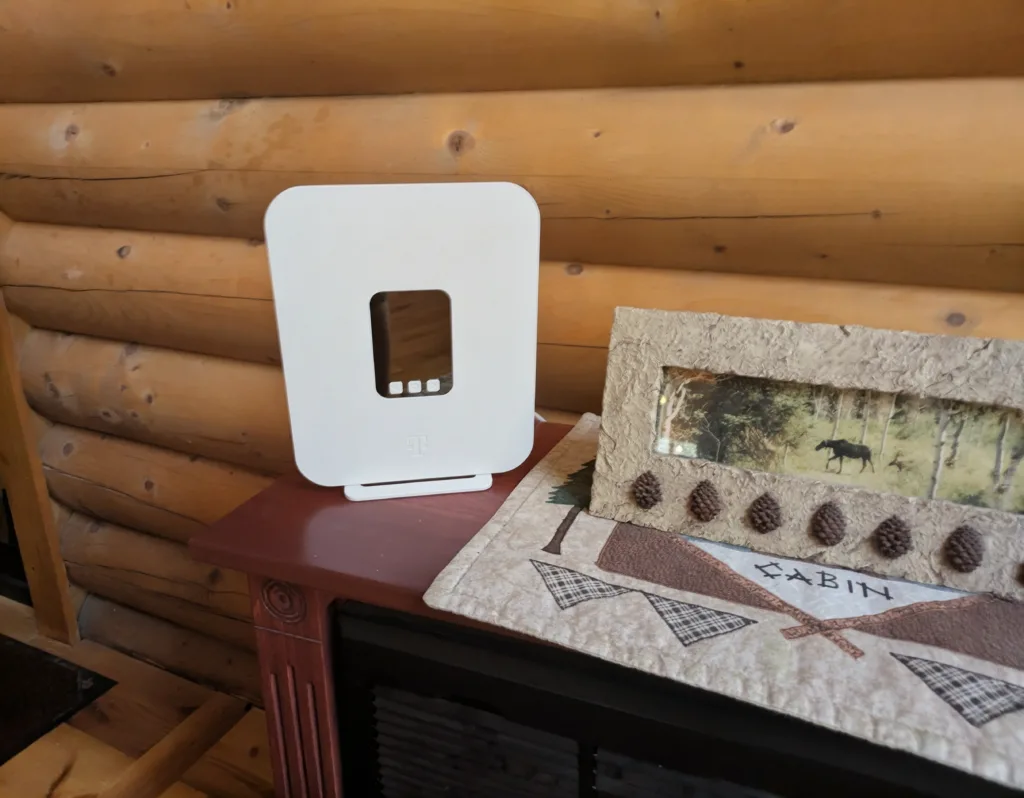
T-Mobile 5G Home Internet: The best balance of price and nationwide availability

T-Mobile continues to lead the pack because it actually built its 5G network with broad coverage in mind, not just city centers. Their latest 2026 tiers—Rely, Amplified, and All-In—offer a level of flexibility we haven't seen before. If you need a solid connection for the family, the Rely plan is a steal. If you're a power user who wants Hulu and Paramount+ bundled in, the All-In plan is the gold standard for wireless home internet.

  • Price: $50.00–$70.00/mo. (Price drops to $35.00–$55.00 with a qualifying voice line).

  • Speeds: 170–498 Mbps.

T-Mobile remains my top pick because it's the most consistent. They've managed to maintain high speeds even as more people join the network, making it the most reliable 'satellite killer' on the market today.

Verizon 5G Home Internet: For the gamer or power user in a 5G Ultra Wideband area

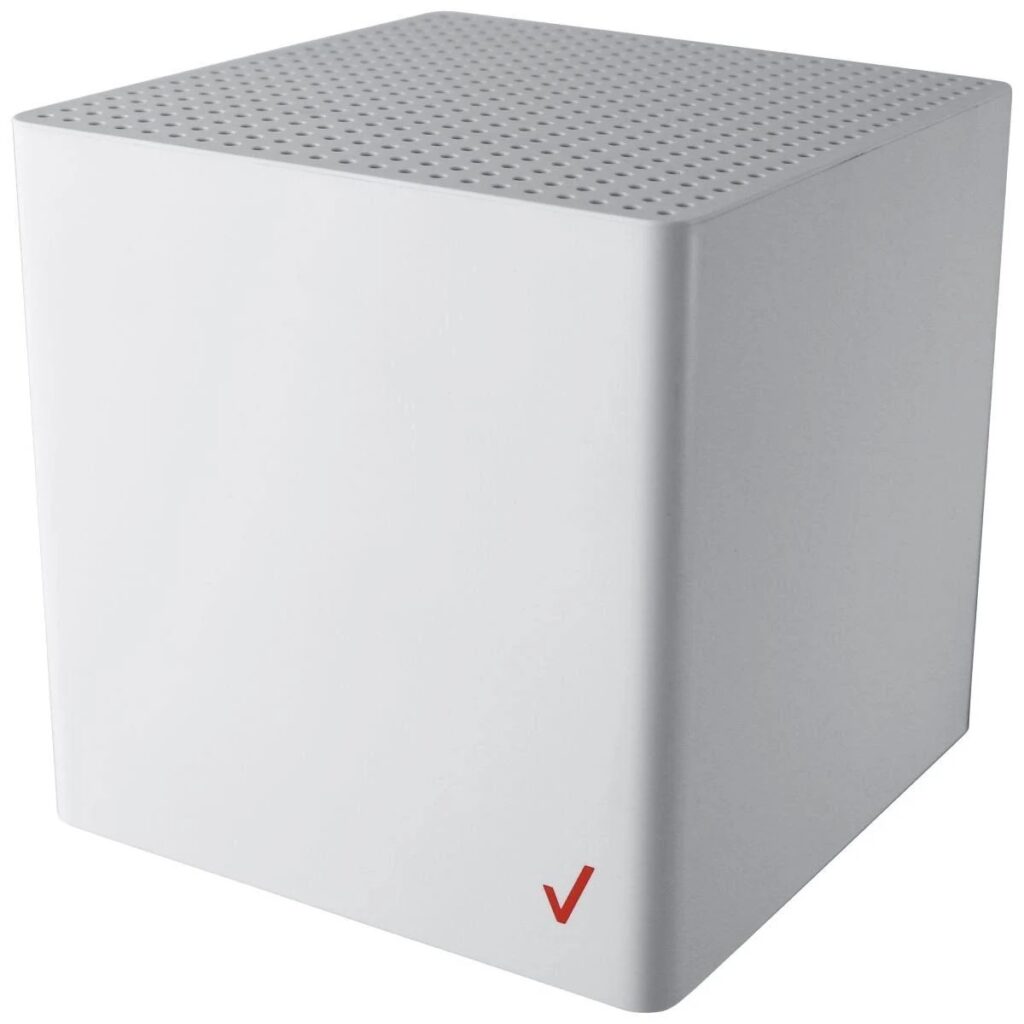
Depiction of Verizon 5G home internet router

If you live in an area with Verizon's Ultra Wideband coverage, you're looking at speeds that rival cable and even entry-level fiber. Their 2026 "Ultimate" plan promises up to 1,000 Mbps, which is overkill for most, but a dream for heavy gamers and 4K streamers. The biggest perk? They still haven't introduced equipment fees or contracts, which is a breath of fresh air in the ISP world.

  • Price: $50.00–$75.00/mo. ($35.00–$60.00 with select 5G mobile plans).

  • Speeds: 300–1,000 Mbps.

Verizon is for the speed-hungry. While their top-tier speeds aren't available everywhere, when you can get them, the low latency and massive bandwidth make it feel like you aren't using a wireless connection at all.

EarthLink 5G Home Internet: Hassle-free setup without the hurdle of a credit check

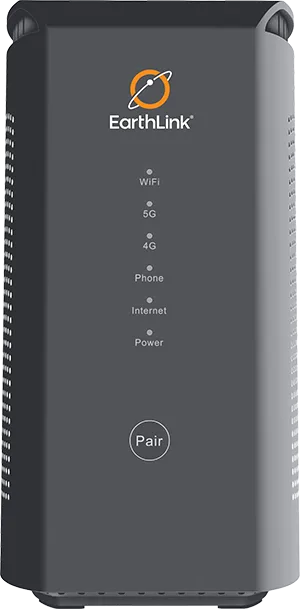
EarthLink has successfully pivoted from its dial-up roots to become a major player in wireless, specifically targeting rural areas that other carriers might overlook. As one of the newest 5G providers, EarthLink offers a more robust service with speeds up to 425 Mbps. Its biggest selling point is the total lack of credit checks and contracts, making it the most accessible option for those who want to avoid the "red tape" of traditional providers.

  • Price: Starts at $59.95/mo. (plus $14.95/mo. modem rental and $39.95 setup fee).

  • Speeds: Up to 425 Mbps.

EarthLink is filling a vital gap. Their no-credit-check policy and focus on rural expansion show they understand the frustrations of people living in the 'digital divide.' It's a straightforward, honest service that works.

AT&T Internet Air: The best option for mobile customers craving an easy bundle

AT&T was late to the 5G home game, but Internet Air is now a solid, sleekly designed alternative for those already in the AT&T ecosystem. While it doesn't hit the 1,000 Mbps heights of Verizon, its 90–300 Mbps range is plenty for a modern household. Their "All-Fi Hub" is arguably the best-looking piece of equipment in the industry, and the 20% bundle discount makes it an easy choice for AT&T wireless users.

  • Price: $60.00/mo. ($48.00/mo. when bundled with an eligible unlimited wireless plan).

  • Speeds: 90–300 Mbps.

Internet Air isn't about breaking speed records; it's about simplicity and design. It's the easiest setup process I've seen—you can literally be online in under 15 minutes.

Best overall
T-Mobile 5G Home Internet
T-Mobile Home Internet
pro Most available 5G home internet service
pro Simple plan structure
pro Easy setup and transportable
con Speeds can vary by location
Best for fast speeds
Verizon
Verizon 5G Home Internet
pro Fastest (potential) speeds
pro $500 credit towards early termination fees
pro Wi-Fi extender included
con Slightly higher prices
con Speeds can be lower than advertised
Best for no credit checks
Earthlink
EarthLink 5G Home Internet
pro Low prices
pro Uses all three major carrier networks to enhance coverage
pro Can be purchased at Walmart stores
con Slowest speeds of all providers
con One-time equipment fee of $99
Best for AT&T customers
AT&T Internet Air
AT&T Internet Air
pro The most affordable pricing of any 5G home internet provider
pro Simple plans
con Limited availability
con Slower advertised speeds

The verdict: T-Mobile is the best option

Overall, we still think T-Mobile is the best all-around service. If you have T-Mobile or are considering switching to it for cell service, the price is tough to beat. It's also fast, reliable, super-simple, and built on the largest 5G network in the U.S. Perhaps the best part is that its wide coverage area makes it a realistic option for many rural customers who might otherwise be stuck with slower, much more expensive satellite service.

That said, we also think most people should go with whichever cell service provider they use (or plan to switch to). These services are so similar that price is usually the deciding factor, and bundling is how you get the best price. 

5G home internet FAQ

Is 5G fast enough for home internet?

5G home internet can be a good fit, but speed needs vary. For basic web browsing and email, moderate speeds (around 5Mbps) are sufficient. Streaming, gaming, and video conferencing require speeds up to 25Mbps. Consider your household size, latency, and internet usage to determine if 5G speeds (typically 25-300Mbps) can handle everyone's needs.

Yes, 5G home internet can deliver sufficient speeds for many common household activities like browsing, streaming, and gaming (with limitations based on latency sensitivity and esports). However, it generally lags behind cable or fiber optic connections in terms of top speeds. The advantage of 5G lies in its wider availability, especially in areas lacking traditional high-speed options.

Will 5G replace home Wi-Fi?

No, 5G home internet doesn't replace Wi-Fi. It converts a 5G signal into a Wi-Fi network that your devices can connect to, similar to a permanent in-home hotspot.

How much does 5G home internet cost?

5G home internet prices typically range from $35 to $80 per month. Generally, bundled plans with cell phone service are available at lower prices. For example, T-Mobile Home Internet starts at $60 per month, but bundling with a qualifying phone plan can bring the price down to $40.

How fast is 5G home internet?

5G home internet speeds vary a lot based on location. Providers advertise speeds ranging from 100 Mbps to 1,000 Mbps. However, the actual speeds customers will see depend heavily on the network in a given area. For these reasons, it’s really hard to predict the speed you'll see with a given provider.

That said, a good indicator could be cell coverage in your area. If a provider has a reputation for a strong signal and lots of coverage, you’re more likely to have a good experience with its 5G home internet service in that area.

Who has the best home internet?

Finding the "best" 5G home internet provider depends on your priorities and location. Here's a breakdown of which provider excels in each key area, with a recommended provider for each:

  • Widest Coverage: T-Mobile Home Internet (Recommended for: Rural areas with few options). Does the provider offer service in your area? Check their coverage map.
  • Fastest Speeds: Verizon 5G Home Internet (Recommended for: Gamers or those needing the absolute fastest speeds). How important are absolute top speeds to you?
  • Most Affordable: AT&T Internet Air (Recommended for: Budget-conscious users in major cities with light to moderate usage). How important is price compared to other factors?
  • Unlimited Data: T-Mobile Home Internet & Verizon 5G Home Internet (Recommended for: Heavy internet users who stream a lot, game online, or have multiple devices connected). Do you stream a lot or have many devices connected?
  • Bundling: Consider your existing cell phone provider! Bundling can lead to discounts (Recommended for: Existing customers of T-Mobile, Verizon, or AT&T).


Methodology

We compile our articles using trusted sources and real customer feedback. We perform first-hand testing on the services we review and compile proprietary data to give you the information you need to make the best decision for your internet needs.

Editors' note: At SatelliteInternet.com, we research, test, and create content that is rigorously edited and fact-checked by our editorial team for accuracy and reliability. We sometimes harness the capabilities of AI tools to assist in drafting content that is both clear and informative, ensuring high-quality information. You can learn more about our AI practices by referring to our AI policy.

Andreas Rivera
Written by
Andreas Rivera is a lifelong writer with a decade-spanning career in journalism and marketing. He comes to SatelliteInternet.com with several years of experience writing about business and technology. His passion for researching the latest advancements in tech, especially the now essential need for reliable internet access, fuels his goal of educating others about how these innovations affect and improve our everyday lives. When not researching and writing about SatelliteInternet.com, you’ll likely find him buried in a good book or enjoying the great outdoors with a fishing rod.